

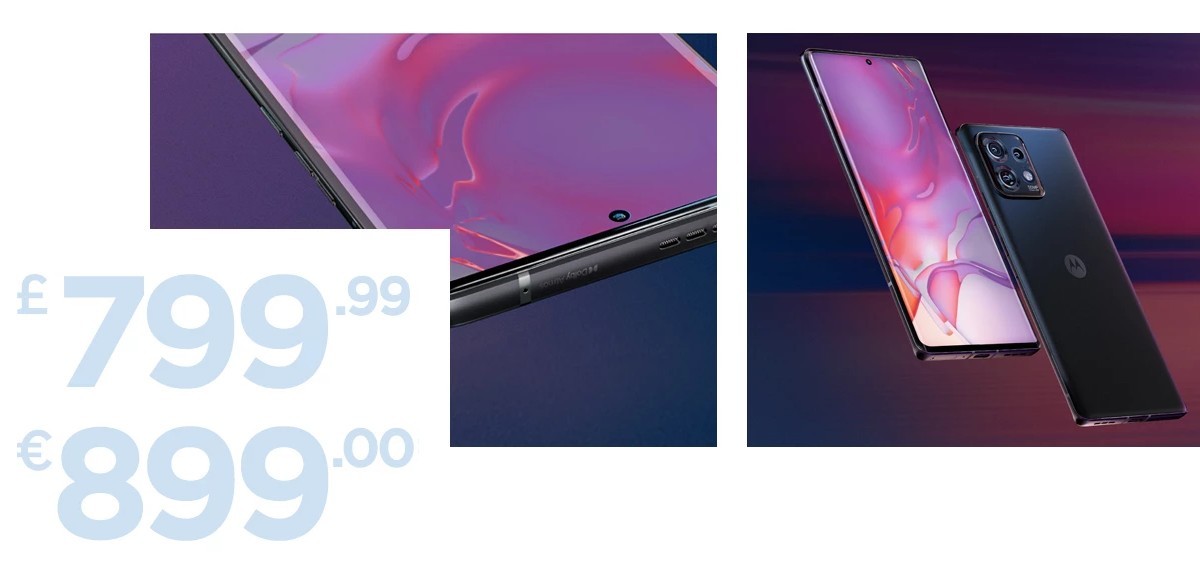
Motorola will launch Moto Edge 40 Pro in Europe in the coming days and will soon make it available in South America as well. The base model has 12GB of RAM and 256GB of storage and costs €900 / £800. That’s less than what you’ll pay for the Galaxy S23+ from Samsung.
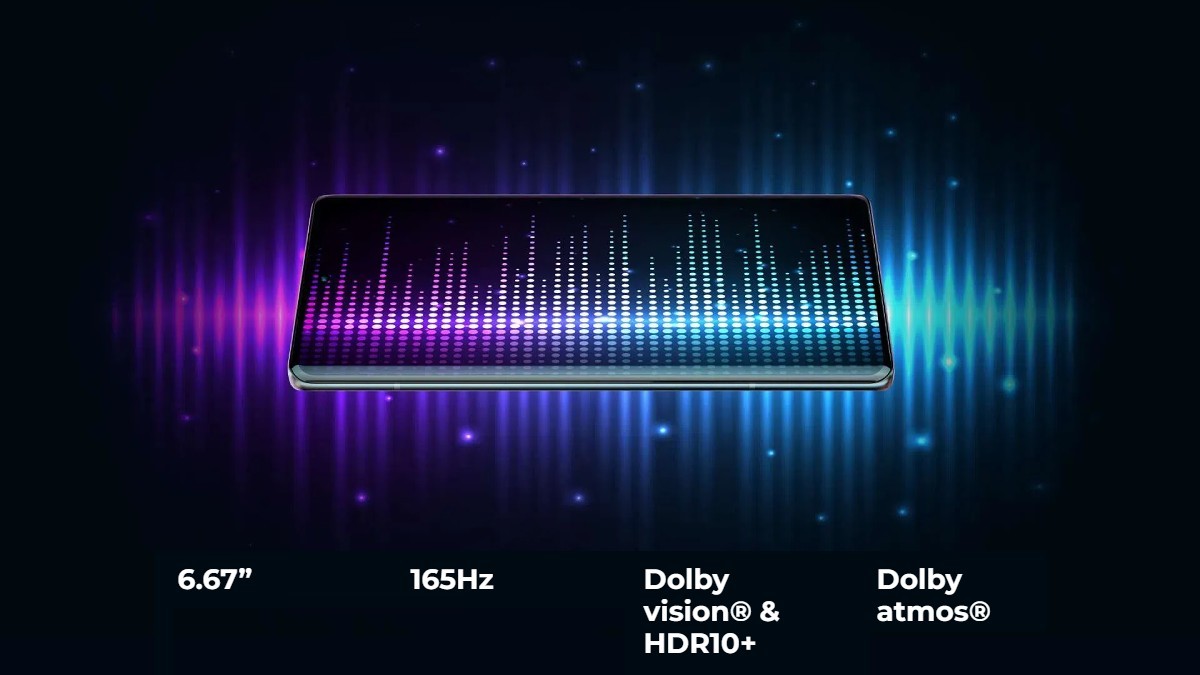
Motorola has certain advantages. For example, a 6.67-inch OLED screen is a 10-bit panel with a refresh rate of 165 Hz. It doesn’t have a QHD+ resolution (it’s FHD+) and it’s not an LTPO panel, but the same goes for Samsung as well.
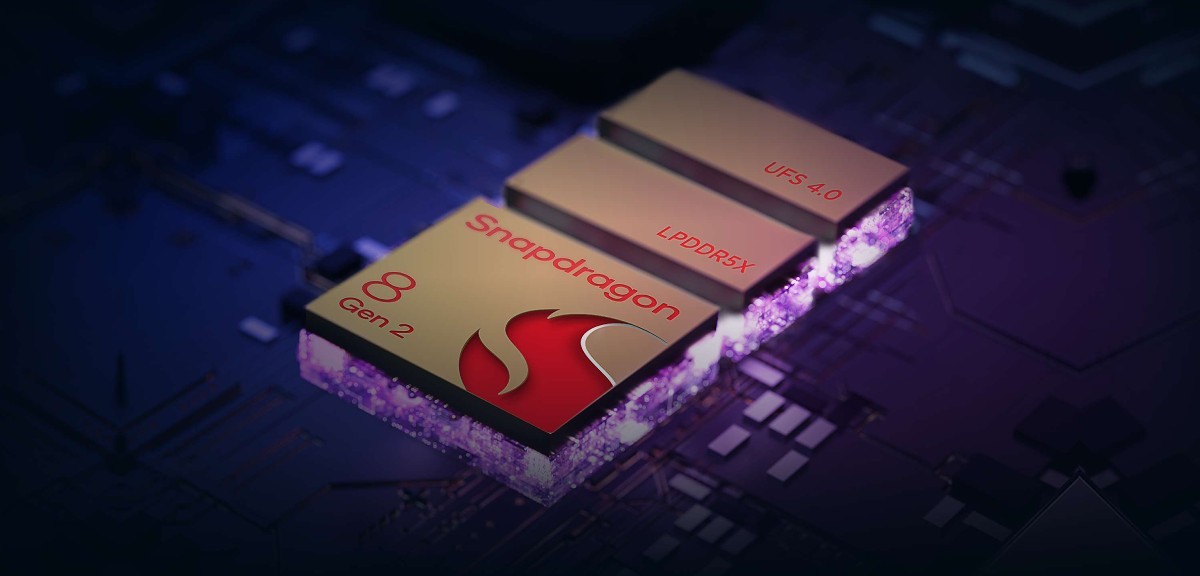
Both phones are powered by the Snapdragon 8 Gen 2, but as mentioned earlier, the Moto has more RAM. You can’t even get 12GB on a Galaxy even if you’re willing to pay more. Also, the near-stock Android will be updated 4 times and the phone is looking at 5 years of security patches. Extensive software support has been one of the biggest strengths of the Galaxy phones and Motorola aims to match it.
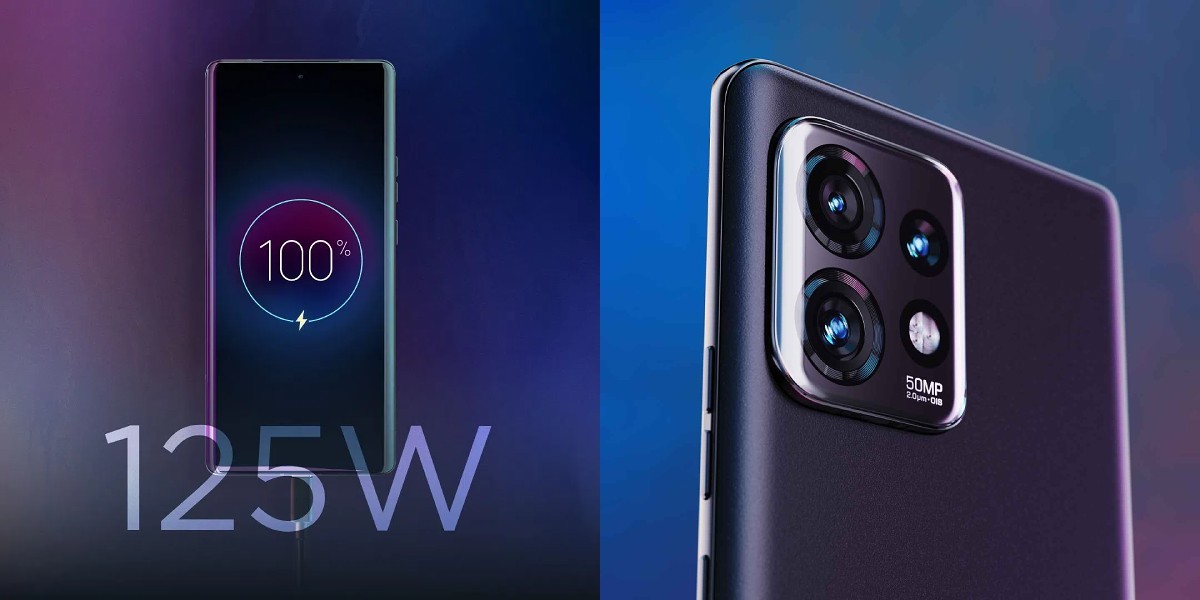
The 50MP main cameras on both are pretty much the same (1.0µm, OIS), the Moto leads with a 50MP ultra-wide unit (vs. 12MP) but falls behind with a 2x12MP telephoto camera (vs. 3x10MP). The 60MP selfie camera looks good on paper but lacks auto focus.
Finally, Motorola equipped the Pro with a slightly smaller 4,600mAh battery (100mAh on the S23+) but completely beats Samsung in charging speed — the 125W wired adapter can fully charge in less than 25 minutes, Samsung up to 58% in 30 minutes. And unlike many phones with super-fast wired charging, this doesn’t come at the expense of wireless charging. It’s only 15W but that’s enough for most use cases.
The OnePlus 11 is one such example — it does 100W over a wire, and wireless charging is cut out though on the 10 Pro. In any case, the price of this phone is currently 850 euros for the 8/128 GB unit and 920 euros for the 16/256 GB unit.
Unlike both Motorola and Samsung, the OnePlus 11 has a QHD+ LTPO (120Hz) display. The 32MP 2x zoom camera is better than the Edge camera, not with its optics but with a higher resolution sensor that enables digital zoom. This phone is also set to have 4 OS updates and 5 years of security patches.




Samsung Galaxy S23 + • OnePlus 11 • Xiaomi 13 • Google Pixel 7 Pro
The Google Pixel 7 Pro routinely drops to €800 (or less) for a 12/128GB phone, and the 256GB option usually only costs a small premium. This device also has a QHD+ LTPO (120Hz) display and also packs a decent 5x periscope with a 48MP sensor behind it. The 5,000mAh battery charges slow (23W wired and wireless) and the Tensor G2 doesn’t match the Snapdragon in CPU and GPU performance (but it has plenty of AI power).
What then? Xiaomi 13 (vanilla model, Pro much more expensive) could be an option, costing € 1,000 for the 8 / 256GB unit. Like Samsung, this one only has a non-LTPO (120Hz) FHD+ display, though its 6.36-inch size helps. Lacking the 1-inch sensor of its Pro sibling (it instead has a 50MP 1.0µm sensor), it sports a 3.2 x 10MP telephoto camera, plus 67W wired and 50W wireless charging for its 4,500mAh battery.


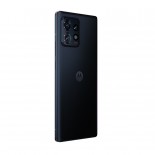
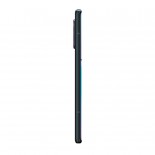
Motorola Edge 40 Pro
So, what will it be? Does the Motorola Edge 40 Pro look like the flagship you’ve been waiting for at the right price, or did Moto miss the mark? Were you hoping for a cheaper Moto 40 instead?
By the way, we have the Moto Edge 40 Pro up for review, so expect a detailed report soon.